

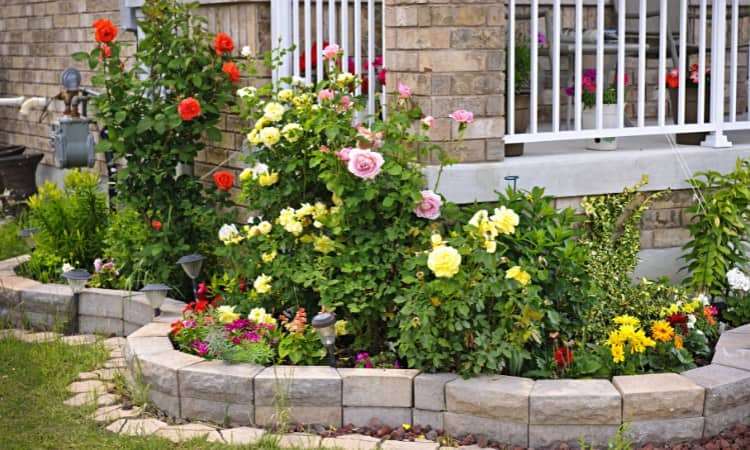
Designing a rose garden is a delightful endeavor that allows you to create a haven of beauty, fragrance, and elegance in your outdoor space. Roses, with their diverse colors and varieties, can be the centerpiece of your garden design. In this guide, we’ll explore the steps to design a stunning rose garden that will be the envy of your neighborhood.
Planning Your Rose Garden
Creating a rose garden that thrives and flourishes starts with careful planning.
Choose the Right Location
Select a sunny spot in your garden that receives at least 6 to 8 hours of sunlight per day. Roses need sunlight to bloom abundantly.
Soil Preparation
Ensure your soil is well-drained and enriched with organic matter. Conduct a soil test to determine its pH level, as roses prefer slightly acidic soil.
Garden Size and Layout
Decide on the size and layout of your rose garden. Consider whether you want a formal garden with structured beds or a more informal, natural arrangement.
Rose Selection
Research and choose rose varieties that thrive in your climate and match your design vision. Consider factors like color, fragrance, size, and growth habit.
Designing Your Rose Garden
Now that you’ve laid the foundation, it’s time to design your rose garden.
Garden Structure
Create a focal point or structure in your rose garden, such as an arbor, trellis, or fountain. This adds interest and provides support for climbing roses.
Planting Layout
Arrange your roses in a pleasing pattern, considering factors like color combinations and growth heights. Group roses with similar care requirements together.
Paths and Walkways
Incorporate paths and walkways to access your roses easily. Use materials like gravel, stone, or pavers for a charming and functional design.
Companion Plants
Add companion plants such as perennials, annuals, or shrubs to complement your roses. They can provide color contrast and attract beneficial insects.
Caring for Your Rose Garden
Maintaining a healthy and thriving rose garden requires ongoing care.
Pruning
Regularly prune your roses to remove dead or diseased branches and shape the plants. Pruning encourages new growth and enhances the overall appearance.
Fertilizing and Watering
Feed your roses with the appropriate fertilizer and water them consistently. Roses generally benefit from deep, infrequent watering.
Pest and Disease Management
Monitor your roses for pests and diseases and take proactive measures to prevent and treat any issues. Organic solutions are often effective.
Mulching
Apply mulch around your roses to retain moisture, suppress weeds, and regulate soil temperature. Organic mulch, such as wood chips or compost, works well.
Enjoying Your Rose Garden
With the right planning and care, your rose garden will flourish, and you can enjoy its beauty for years to come.
Regular Observation
Spend time in your rose garden, observing the blooms, and appreciating their fragrance. It’s a therapeutic and rewarding experience.
Cut Flowers
Harvest roses for fresh flower arrangements to bring the beauty of your garden indoors.
Share Your Garden
Invite friends and family to share in the joy of your rose garden, hosting gatherings and celebrations surrounded by nature’s beauty.
Conclusion
Designing a rose garden is a labor of love that rewards you with breathtaking beauty and a sense of accomplishment. By carefully planning your garden’s location, layout, and rose selection and by providing ongoing care, you can create a rose garden that not only enhances your outdoor space but also enriches your life with the timeless beauty and romance of roses.

