

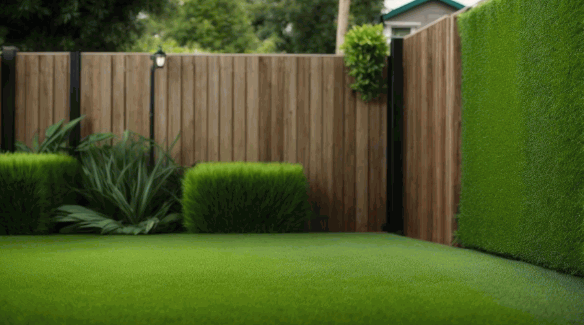
Installing artificial grass on a fence is a great way to spruce up your outdoor space. It requires minimal maintenance and is durable, creating a green and lush backdrop. It can become a unique focal point and bring a touch of elegance and charm. To begin this project, you’ll need the right materials and tools.
Firstly, measure the fence panels accurately. Make sure you have enough artificial grass to cover the entire surface. Buy high-quality synthetic turf that’s designed for vertical applications. This will ensure optimal flexibility and longevity.
Clean and clear the fence panels of any debris or obstructions. Treat them with a wood preservative to protect against weather conditions. Apply a strong adhesive evenly, following the manufacturer’s instructions. Once applied, unroll the artificial grass on each panel, pressing firmly. Smooth out any wrinkles or bumps with a roller. Repeat for each panel until all surfaces are covered.
Remember, wooden fences provide better adhesion than metal ones due to their porous nature. Consider this when deciding on your preferred fencing material.
Benefits Of Installing Artificial Grass On Fence
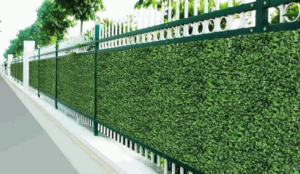
Installing artificial grass on your fence offers several advantages that not only make your outdoor space look nicer but come with practical benefits too.
- Privacy: Create a barrier to keep prying eyes away from your property.
- Low maintenance: Artificial grass requires no mowing or watering – just a quick clean now and then.
- Noise reduction: The fibers absorb sound waves, making for a quieter environment.
- Cleaner surroundings: Artificial grass keeps dust and dirt out of your yard.
- Insulation: Can act as an extra layer of insulation in colder months.
- Pest deterrent: This can act as a deterrent for pests or animals trying to access your property.
To make the most of your artificial grass, consider these tips:
- Proper installation: Securely attach the grass to the fence panels.
- Maintenance: Regular cleaning is necessary to keep it looking its best.
- Quality materials: Invest in good quality, UV-resistant artificial grass.
- Professional installation: If you’re not confident in your DIY skills, hiring a professional can help.
Follow these steps and reap the rewards of having artificial grass on your fence!
Materials And Tools Needed
Materials and tools needed for installing artificial grass on a fence include:
- Synthetic turf: Choose high-quality artificial grass that is durable and designed for outdoor use.
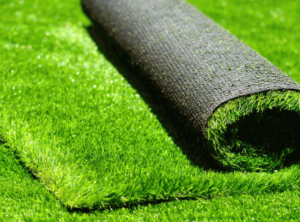
- Adhesive: Use a strong adhesive to secure the turf to the fence panels.
- Utility knife: Cut the turf to fit the size and shape of the fence panels.
Other important details to consider include ensuring that the fence surface is clean and dry before applying the adhesive. Additionally, it is crucial to measure and cut the artificial grass precisely for a seamless installation.
To ensure a successful installation, gather all the necessary materials and tools beforehand. Follow the instructions carefully and take the time to properly install the artificial grass on the fence.
Don’t miss out on the opportunity to enhance the appearance of your fence with artificial grass. Get the materials and tools needed and transform your fence into a beautiful and low-maintenance feature.
Who needs to mow the lawn when you can just hang grass on your fence and call it art?
Artificial Grass
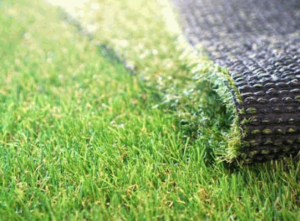
Artificial grass is a popular choice for landscaping and sports fields. It’s low-maintenance and has a realistic appearance. Here’s a table with materials and tools you’d need:
| Materials | Tools |
|---|---|
| Artificial grass rolls | Utility knife |
| Weed barrier fabric | Lawn roller |
| Crushed stone | Infilled brush |
| Edging boards | Shovel |
| Nails | Rake |
Ground preparation is important too. Compacting the soil and installing a sub-base is essential. Cleaning and grooming the grass regularly helps too.
Fence Preparation Materials
Fence prepping requires some crucial items. These are:
- Sturdy wooden posts.
- Durable wire mesh.
- High-quality screws.
- Heavy-duty nails.
- A post-hole digger.
These must be of good quality and robustness to guarantee a successful fence setup. Investing in the right tools will result in a solid and lasting fence.
Steps To Install Artificial Grass On Fence
Artificial grass installation on fences involves several essential steps. To begin, gather the necessary materials and tools. Then, measure the fence area to determine the amount of artificial grass needed. Next, prepare the surface by removing any existing vegetation or obstacles. Install the necessary framework or backing material to secure the artificial grass onto the fence. Carefully unroll and attach the artificial grass to the fence, ensuring it is taut and secure. Finally, trim any excess grass and inspect the installation for accuracy and stability. Remember, proper installation ensures a beautiful and long-lasting artificial grass fence cover.
Transform your ordinary fence into a ‘garden of grass’ and create a new level of confusion for your nosy neighbors with these artificial grass installation tips.
Clean And Prepare The Fence
To begin the process of installing artificial grass on your fence, you must first clean and prepare the surface. This is essential to guarantee a good and lasting installation. Here’s how:
| Step | Action |
|---|---|
| 1 | Get rid of debris: Utilize a broom or brush to sweep away dirt, leaves, and other debris from the fence. |
| 2 | Check for damage: Examine the fence for any harm or decay. Fix or replace any broken or rotten boards before continuing with the installation. |
| 3 | Clean the surface: Use a hose or pressure washer to completely clean the fence’s surface. This will help eliminate grime, mold, and other marks, giving a clean and even base for the artificial grass. |
| 4 | Leave to dry: After washing, allow enough time for the fence to fully dry. This may take a few hours or stay overnight, depending on the weather. |
| 5 | Make smooth areas: If there are any rough or bumpy spots on the fence, sand them down using sandpaper or a sander. This will guarantee a flat and seamless installation of the artificial grass. |
Remember that different types of fences may require particular cleaning methods or extra preparation steps. For instance, if it’s a wooden fence, you may need to apply a wood sealer to protect it from moisture before installing the artificial grass.
Safety First: Wear gloves and safety glasses while cleaning and prepping your fence for installation.
Measure And Cut Artificial Grass Panels
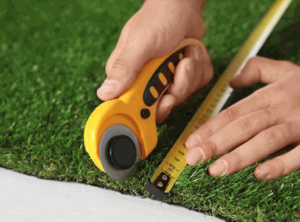
Time to cut the panels for your fence’s artificial grass installation! Here’s a step-by-step guide on how to measure and cut them:
- Measure: Get an accurate length measurement with a tape measure, from one end of the fence to the other.
- Cut: Use a utility knife or scissors, following the measurements precisely.
- Trim: Check for any excess materials hanging over the edges – if so, trim them off.
- Secure: Secure the edges with adhesive or landscape spikes plus galvanized nails.
- Check Gaps: Make sure there are no gaps between panels, by trimming or repositioning.
Precision is key when cutting artificial grass panels. Also, each brand and type may have specific instructions – so follow the manufacturer’s guidelines. Plus, it can increase property value by up to 20% – as HomeAdvisor says!
Attach The Grass Panels To The Fence
Attach grass panels to the fence with these 3 steps:
- Position panels. Align and space properly.
- Secure with zip ties. Fasten at regular intervals.
- Trim excess grass. This gives a neat look.
Remember to select quality artificial grass for fences. This will give durability and long life.
Secure The Grass Panels In Place
It’s time to fix the grass panels in place. This is essential for your artificial grass to stay put and not move! Let’s look at a step-by-step guide for securing them.
- Prepare the surface: Make sure the fence is clean of any debris or materials.
- Measure and cut: Measure the fence area and cut the panels according to the measurements.
- Apply adhesive: Spread an even layer of adhesive on one side of the fence panel using a roller. Cover the entire surface.
- Position the grass panel: Put the cut grass panel onto the adhesive side of the fence. Push down firmly.
- Smooth out any wrinkles: Gently tug and stretch the panel to smoothen any wrinkles or folds.
- Repeat for other panels: Do steps 3-5 for each additional panel until the area is covered.
Check for any gaps between the panels and fill them with adhesive.
You could also add potted plants or hanging baskets around the artificial grass fence. This will make your outdoor space look even better!
Maintenance And Care Tips For Artificial Grass On Fence
To properly care for and maintain artificial grass on a fence, consider the following tips:
- Regular Cleaning: Periodically clean the grass by removing any debris, such as leaves or branches, with a broom or leaf blower. Use a mild detergent mixed with water to gently scrub away any stubborn stains. Rinse thoroughly and let it air dry.
- Brushing: To maintain the natural appearance of the grass, regularly brush the fibers in different directions using a stiff brush. This will prevent matting and maintain the grass’ upright position.
- Weed Control: Keep an eye out for any weeds that may grow along the fence. Remove them immediately by pulling them out by hand or using a weed killer, being careful not to apply it directly on the grass.
Additionally, it is important to note that artificial grass on a fence requires minimal maintenance compared to traditional grass. Its durability and resistance to pests and diseases make it a low-maintenance option. With proper care, it can retain its vibrant and lush appearance for many years.
For some helpful suggestions, consider the following:
- Apply UV protectant: Over time, exposure to sunlight can cause the color of the artificial grass to fade. Applying a UV protectant spray can help prevent this and extend the lifespan of the grass.
- Trim surrounding vegetation: Trim any nearby plants or trees that may shed leaves or branches onto the fence to reduce the amount of debris accumulating on the artificial grass.
By following these care and maintenance tips, you can ensure that your artificial grass on the fence remains beautiful and functional for a long time.
Cleaning the grass panels regularly will not only keep them looking fresh but also prevent the neighborhood cats from mistaking them for a perfectly manicured litter box.
Learn more: What Is The Strongest Type Of Fencing
Regularly Clean The Grass Panels
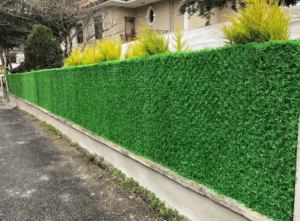
Keeping your artificial grass fence panels clean and in top condition is a must! Otherwise, dirt, debris, and even mold can take over, and ruin the appearance of your fence. So, follow these 3 steps to keep it looking great:
- Brush off debris: Use a broom or leaf blower to remove leaves, twigs, and any other loose items. Be gentle—you don’t want to damage the grass blades!
- Rinse with water: Use a hose or sprinkler to wash off any remaining dirt or dust. Make sure to evenly cover the entire fence.
- Spot clean stains: If you spot any stains, mix a mild detergent with warm water and scrub gently. Don’t use harsh chemicals or abrasive cleaners, though—they can damage the artificial grass.
In addition, inspect the fence regularly for signs of damage or wear and tear. Replace any broken panels or parts right away.
By cleaning your grass panels regularly, you’re prolonging their lifespan and keeping them looking vibrant for years to come. Plus, follow these tips too: don’t place heavy items on the grass, cut any overhanging branches, use pet-friendly cleaner if needed, and brush the grass blades in different directions. Doing so will help keep it looking beautiful and make it last!
Conclusion
Before starting the installation process of artificial grass on a fence, gather all the necessary materials and tools. These include artificial grass rolls, adhesive glue, a measuring tape, a utility knife, and a notched trowel.
Clean and prepare the surface before attaching the artificial grass. Remove any debris or loose particles that may hinder proper adhesion. It is also recommended to apply an adhesive primer.
Start by measuring and cutting the artificial grass according to the fence panels’ dimensions. Remember to leave some extra material for overlap and trimming later. Apply adhesive glue on both the grass and the fence panel before pressing them together firmly.
Allow sufficient time for drying after attaching the artificial grass. This will ensure that the bond becomes strong and long-lasting. Once dry, trim any excess material using a utility knife for a clean finish.
HomeAdvisor.com states that investing in artificial grass installation offers an average return on investment of 70-120%.

