

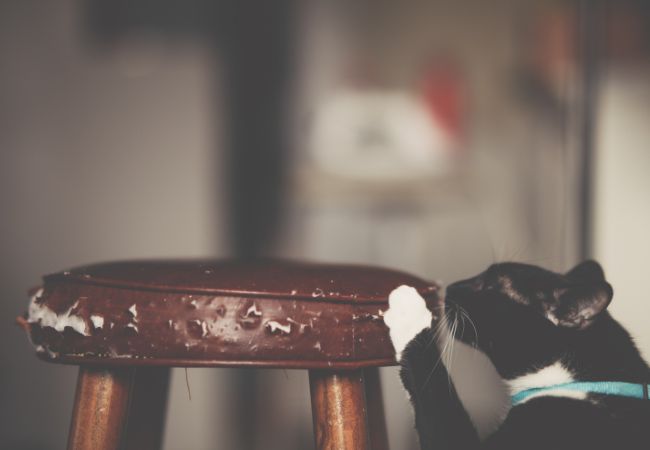
Cats are beloved companions, but their natural instinct to scratch can wreak havoc on your furniture. If you’re tired of finding your couch or chairs torn to shreds, don’t worry—there are effective ways to deter your feline friend from scratching your prized possessions. In this article, we’ll explore strategies and tips on how to keep cats from scratching furniture and provide solutions to maintain harmony in your home.
Understanding Why Cats Scratch
Instinctual Behavior
Scratching is a natural behavior for cats. It helps them shed the outer layers of their claws, stretch their muscles, and mark their territory by leaving scent marks from glands in their paws.
Stress and Anxiety
Cats may also scratch when they’re stressed or anxious. It can be a way to cope with their emotions and relieve tension.
Environmental Enrichment
Providing an environment that meets your cat’s physical and mental needs is essential for preventing destructive scratching.
Tips to Prevent Furniture Scratching
Offer Scratching Posts
Provide attractive scratching posts or pads made of materials like sisal or cardboard. Place them near your cat’s favorite scratching spots to redirect their behavior.
Use Cat Deterrent Sprays
Cat deterrent sprays with scents cats dislike, like citrus or bitter apple, can be applied to your furniture to discourage scratching.
Nail Trimming
Regularly trim your cat’s nails to minimize the damage caused by scratching. Use cat-specific nail clippers and be gentle to avoid injury.
Soft Nail Caps
Consider using soft nail caps, also known as “soft paws,” which can be glued onto your cat’s claws to prevent damage.
Double-Sided Tape
Place double-sided tape on areas your cat likes to scratch. Cats dislike the sticky texture, which can deter them from scratching.
Behavioral Solutions
Positive Reinforcement
Reward your cat with treats, praise, or playtime when they use their scratching posts or behave well. Positive reinforcement can help establish desired behavior.
Create a Cat-Friendly Environment
Make your home more cat-friendly by providing plenty of enrichment through toys, climbing structures, and cozy resting spots.
Consult a Veterinarian or Behaviorist
If your cat’s scratching is related to anxiety or behavior issues, consult a veterinarian or animal behaviorist for guidance and possible solutions.
Protecting Your Furniture
Furniture Covers
Use furniture covers or slipcovers to protect your upholstery temporarily while you work on redirecting your cat’s behavior.
Sticky Tape or Sheets
Adhere sticky tape or sheets designed for deterring cats to the areas you want to protect. Cats dislike the texture and will likely avoid it.
Aluminum Foil or Plastic Wrap
Cover furniture with aluminum foil or plastic wrap, as many cats dislike the crinkling noise and feel beneath their paws.
Conclusion
Preventing cats from scratching furniture requires patience, understanding, and a combination of strategies. By providing suitable alternatives, addressing their needs, and protecting your furniture, you can keep both your feline friend and your decor happy.

